

Snacks good for weight loss!
Snacking is often associated with weight loss, but it’s not the enemy! The correct foods also help you regulate your cravings and keep your metabolism running smoothly. By adopting a mindful snacking attitude, you can enjoy a delicious snack that is also healthy for you. In this post, we’ll showcase ten delicious snacks good for weight loss that can help you lose weight while also satisfying your taste buds. Regardless of your preference for something smooth and delicious or crunchy and filling.
The Importance of Proper Snacking
Despite the common belief that snacking leads to weight gain, it may be essential for weight loss. Snacks, when correctly prepared, can help maintain more stable blood sugar levels, preventing energy dips that lead to overeating at the next meal. Healthy snacks can increase your total caloric expenditure by keeping your metabolism active throughout the day. They also provide another opportunity to incorporate healthier nutrients and ensure that your body receives the vitamins and minerals it needs to function optimally.
Healthy snacking can also help reduce cravings for bad foods. Choosing snacks that are rich in fiber, protein, and healthy fats not only keeps you full but also reduces your likelihood of overindulging in high-calorie or sugary junk food. Furthermore, it even helps with weight management and improves health. Creating a snack plan in advance enables you to avoid impulsive eating and the poor decisions it leads to, which often undermine your weight loss efforts.
Additionally, one of the best benefits of eating healthily is that it can improve your mood and mental clarity! Being hungry can make you agitated and distracted, which is bad for your health and productivity at work. You provide your body with high-quality snacks that help it maintain a steady level of energy, keeping you feeling fantastic and focused throughout the day. Its beneficial effects on your mental and emotional health can also result in a positive feedback loop that supports your healthy eating practices and aids in weight loss.
Superfoods for Weight Loss: These 15 foods can help boost your metabolism, reduce your waist circumference, and enhance your overall appearance and well-being.
It’s crucial to limit your snacking to nutrient-dense foods that provide the most nutrients at the lowest possible calorie count. Foods high in fiber, such as fruits, vegetables, and whole grains, are excellent because they provide a lot of bulk and fullness without being high in calories. Fiber is a crucial ingredient for maintaining a snacking schedule that supports weight loss, as it is also beneficial for digestion and may help regulate blood sugar levels.
Another crucial ingredient that ought to be included in your snacks is Interwar Protein. It contributes to tissue growth and repair, immune system maintenance, and the synthesis of hormones and enzymes. Snacking on cottage cheese, Greek yogurt, or almonds can help you prevent harmful cravings throughout the day and keep you feeling fuller for longer. Additionally, your body burns more calories digesting protein than it does digesting fats or carbohydrates because protein has a more substantial thermogenic effect.
Nuts, seeds, avocados, and olive oil are excellent sources of healthy fats that can aid in weight loss. In addition to being a rich supply of the essential fats required for hormone production and brain function, these fats can also help you feel full. It’s also a good idea to eat a balance of protein, carbs, and a small amount of fat to prevent evening bingeing and snacking. By searching for snacks that prioritize nutrient-dense foods, you can also create delicious and weight-loss-promoting options, such as potato chips.
These are our top ten mouthwatering weight-loss snacks:
Berries with Greek Yogurt: Berries are rich in fiber and antioxidants, while Greek yogurt is high in protein and will help you feel full. This combination yields a delicious and nutritious snack that satisfies your sweet tooth while providing a boost of energy.
Apples with almond butter: Rich in fiber and vitamins, apples and almond butter combine to create a balanced snack that includes healthy fats, protein, and carbohydrates. This combination has a wonderful crunch and a smooth creaminess, making it a nice, enjoyable snack.
Veggie Sticks with Hummus Chickpeas are a fantastic source of fiber and protein. Serve it with sliced, colorful veggies like cucumbers, bell peppers, and carrots for a crisp, vitamin- and mineral-rich snack that will keep you feeling full.
1. Cottage Cheese with Pineapple: Cottage cheese is a low-calorie protein source that makes the most refreshing and ideal snack when paired with sweet-tasting pineapple. Additionally, protein and natural carbohydrates work well together to maintain energy levels and avoid cravings.
Mixed Nuts and Seeds: A small portion of mixed nuts and seeds provides a good balance of fiber, protein, and good fats. It’s incredibly portable and the ideal on-the-go snack that genuinely makes you feel full!
Whole Grain Bread with Avocado: Whole-grain bread is rich in complex carbohydrates, while avocados are rich in fiber and healthy fats. Together, these two fantastic components create the ultimate snack, which can be enhanced with a touch of salt, pepper, or even chili flakes for added flavor.
Edamame: The young soybeans are a fantastic source of fiber and plant-based protein. “Cafeteria” edamame is a tasty, nutritious, and easy-to-prepare snack.
Almonds with Dark Chocolate: In addition to satisfying your sweet tooth, a small amount of dark chocolate combined with a handful of almonds offers antioxidants and good fats. It’s better than a chocolate bar, but this is indolent debauchery!
Chia pudding is a simple and nutritious food that is high in fiber, protein, and omega-3 fatty acids; made by soaking chia seeds in almond milk or another type of milk. Add some fresh fruit and a little honey to sweeten for a tasty, luscious, and satisfying snack.
Popcorn Air-Popped Popcorn is a low-calorie, whole-grain snack that everyone can enjoy without feeling guilty. Avoid using too much salt or butter; instead, add a dash of nutritional yeast or cinnamon for a delicious twist.
Easy and Quick Snacks Recipe
Organization and simplicity are key to making snack preparation simple. Therefore, start by having the appropriate components in your kitchen. I would like to have whole grain products, Greek yogurt, nuts, seeds, and fresh fruits and vegetables on hand. Having basic ingredients on hand makes it simple to prepare a snack quickly.
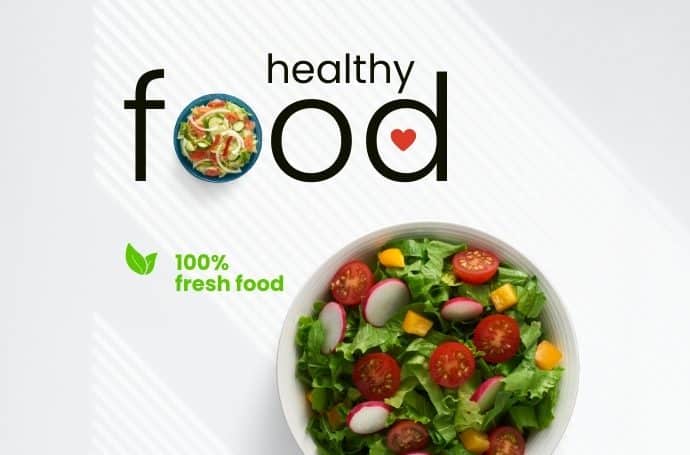
Your snacking habit can be significantly improved by meal planning. Set aside a few hours each week to clean, chop, and portion your vegetables and fruits. Healthy snacking may be made easier and time-saving with a bit of preparation. Some people divide portions of Greek yogurt and berries, while others bring little bags of mixed nuts or chopped vegetable sticks for dips like hummus. This implies that you can grab and go whenever you feel hungry.
Using quick and simple dishes that require little to no preparation is another way to produce simple snacks. In under five minutes, you can assemble snacks like mixed nuts and seeds, cottage cheese with pineapple, apple slices, and almond butter. You can portion out the ingredients for more complex alternatives, such as avocado toast or chia pudding, in advance and easily assemble them when it’s time to eat.
To make snack preparation easier, you may also want to invest in some basic kitchenware. Having a decent assortment of cutting boards, knives, and storage containers may make the task much more enjoyable. Additionally, I enjoy making quick energy balls, hummus, and smoothies. You’ll never again need a tasty, nutritious snack if you prioritize snack preparation and follow these suggestions.
Controlling Portion Size and Snacking
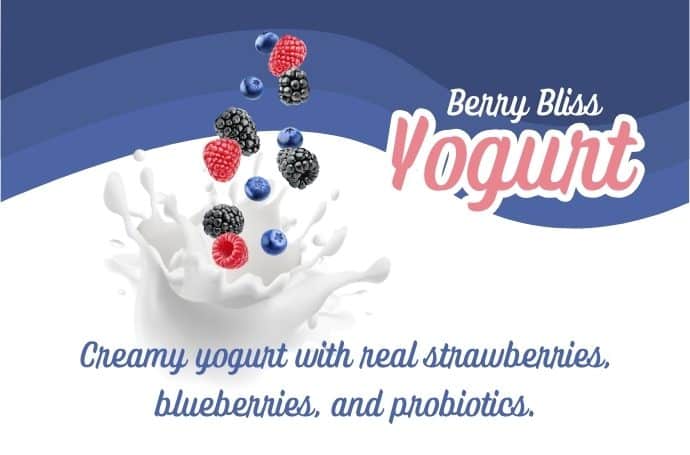
Portion size is crucial for snacking if you want to lose weight. Calistitute The best-laid plans might be derailed by even nutritious snacks. Serving sizes and paying attention to your body’s hunger and fullness cues are essential in this situation. Start by portioning out the correct amounts after reviewing nutrition labels. For example, a portion of Greek yogurt is roughly ¾ cup, and a serving of almonds is often a small handful or 1 ounce.
Reducing portions can also be achieved by eliminating plates and bowls. Additionally, when snacks are served in smaller containers, they appear larger, giving the impression that there is more food, which might help you feel fuller with less. Additionally, avoid eating directly from a bag or food container, as this can lead to unintentional overconsumption of food. Before you start chewing on your snacks, divide them into smaller, distinct portions.
Controlling portion sizes may also be aided by mindful eating practices. Enjoy your snack uninterrupted while sitting with it. You will savor your food more, recognize fullness, and avoid overeating sooner if you eat more slowly. By paying attention to your body’s cues, you can determine the ideal serving size for you and prevent overindulging.
Lastly, be on the lookout for foods that are heavy in calories but lacking in nutrients. Although nuts and seeds are beneficial for you, they are high in calories and can be easily overconsumed. You may control your snack and avoid overindulging in portions by combining these high-calorie foods with lower-calorie, high-volume options (like veggies!). By practicing mindful eating and portion control, you can enjoy your snacks without jeopardizing your weight loss goals.
Including Snacks in Your Daily Diet
Maintaining a healthy weight and avoiding compulsive eating can be achieved by balancing daily snacks with samples of the entire diet. Snacks, however, should be consistent with your regular meals: they should be a nourishing and energizing supplement to your diet, but they shouldn’t exceed your daily caloric intake. Make an effort to incorporate a variety of food categories into your snacks, including whole grains, lean meats, fruits, vegetables, and healthy fats.
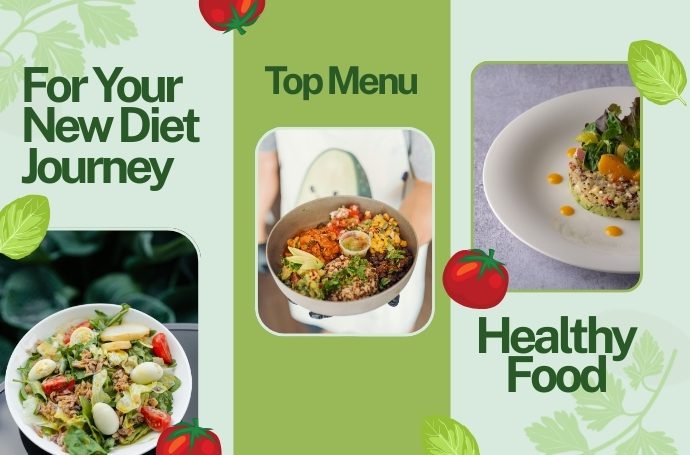
Organizing your snacks according to your daily macronutrient goal is one method to balance your intake. A high-protein snack, such as Greek yogurt or a protein smoothie, will help you stay full and stay within your carbohydrate allowance if you find that you’re lacking in protein. Choose fruits, veggies, or whole-grain crackers if you’re low in fiber. A nutritious snack can help you compensate for any vitamin deficiencies in your diet if you follow it carefully overall.
When balancing snacks with your daily diet, timing is crucial. You may manage your energy levels and the amount of food you eat at mealtimes by snacking throughout the day. For instance, you could eat until lunch with a mid-morning snack and dinner with an afternoon snack. To get the energy you need and prevent mindless eating, pay attention to your hunger levels and plan your snacks accordingly.
Comparing the nutrient richness of your snacks to that of your main meals is also helpful. Choose low-calorie snacks throughout the day if you plan to consume a large, high-calorie dinner. On the other hand, if your supper was light, you may need to have a larger snack to ensure you’re getting all the necessary nutrients. You can satisfy your body while staying within your calorie target range by adjusting the nutrients in your meals and snacks.
Things to Avoid When Snacking
When trying to lose weight, snacking regularly can be part of a healthy diet, but there are certain things to avoid. One of the biggest is a preference for foods that are high in sugar and low in vitamins. Candy bars, cookies, and chips are examples of processed snacks that cause your blood sugar to rise and then fall, leaving you feeling hungry shortly after eating. For long-lasting nutrients and energy, opt for whole foods.
Losing sight of the portion sizes is another error. Additionally, even if you’re selecting healthy snacks like dried fruit, almonds, or seeds, all those tiny morsels can be high in calories, so be sure to measure how much you’re nibbling. Calorie intake from mindless overeating can increase. To help reduce portion sizes, eat smaller servings and use small dishes.
Another mistake is not snacking at all. Cutting off snacks because you think you’re taking in too many calories might seem contradictory, but it can cause you to become hungrier and overeat at dinner. Snacking healthily also helps maintain energy and prevents overeating that can occur as a result of extreme hunger. Learn to listen to your body’s hunger cues and start eating on your terms.
Finally, avoid overindulging in packaged “diet” snacks. Most low-calorie or low-fat foods are filled with artificial additives and added sugar—a diet nightmare. Eat whole, natural foods and avoid chemical-laden processed diet foods. Armed with an understanding of these typical traps and the ability to choose thoughtfully, here’s how to nibble your way to a healthier weight.
Adding Snacks to Your Weight Loss Diet
When it comes to losing weight, snacks require a little more consideration than just chips and crackers for dipping. Begin by defining snack goals. Calculate the number of snacks you’d want to consume during the day, depending on your activity level, hunger, and total daily calorie needs. You’re less likely to engage in impulsive eating if you plan your snacks in advances.
Select snacks that offer a balanced mix of all three macronutrients and support your weight loss goals. Fiber, healthy fats, and protein work together to prevent blood sugar surges and keep you feeling full. Eating a piece of bread with avocado or a small piece of fruit with a few almonds, for example, can provide a well-balanced nutrient mix that supports weight loss.
Additionally, have an open mind and pay attention to what your body needs. You may be significantly less hungry on certain days and require more snacks on others. Please pay attention to your body’s hunger and fullness cues, allowing them to guide the size of your snack. Making more thoughtful and intuitive food choices can be achieved by learning to recognize and respond to your body’s signals.
Finally, keep an eye on your development and adjust as needed. Keep a food journal to record your meals and the effects they have on your hunger, energy levels, and weight reduction. This may help you identify trends and practice mindfulness when it comes to snacking. Discover nutritious, delectable, and entertaining snacks that work for you—using them as a stand-in for something you need, want, and love—rather than against you.
Conclusions: Choosing wisely when snacking
A sensible snacking strategy is essential to a successful weight loss program. You can enjoy tasty and incredibly fulfilling treats that support your health objectives if you prioritize foods rich in nutrients per calorie, practice portion control, and balance your snacks with the rest of your diet. Avoid snacking hazards and adopt healthy eating practices to make your snacks help you lose weight and keep it off.
Proper snacking involves more than just cutting calories; it also provides your body with the necessary nutrition to feel full and content while supplying you with the energy you need. To maintain a healthy metabolism and control hunger, opt for complete, natural, and unprocessed meals that offer a balanced mix of fiber, healthy fats, and protein. Make those healthy selections more convenient and pleasurable by organizing your snacks ahead of time and having them ready to assemble.
Baku: Regardless of your preference, the secret to effective snacking is to take cues from your body and then follow your instincts. Make progress toward your goal with each bite and snack, whether it’s a delicious chia pudding, a fruit, or a handful of almonds. When done correctly, snacking can be a fun and significant component of your healthy lifestyle. Spread the joy of a better life and the power of smart munching, please!
Learn more about Delicious Snacks good for Weight Loss!


