
Table of Contents Hide
- Finding Out About Hair Loss: What Happens and the Types
- How Hair Loss Changes How We Feel?
- Outline of Hair Loss Treatments
- Top Ways Doctors Treat Hair Loss
- Natural options and adjustments to your way of living
- Nutrition’s Importance for the Health of Our Hair
- Here’s What to Know About Hair Transplant Options
- Analyzing What’s in Over-the-Counter Drugs
- Selecting the Correct Approach for Your Hair Loss
- Building Confidence Is Possible with the right Hair loss treatment
Many people find that hair loss quietly takes away their confidence and changes how they feel about themselves. If you’ve ever glanced in the mirror and wished for a solution, you’re not alone. Struggling with hair loss can be tough, but lucky for us, there are many hair loss treatments that are simpler to find than they used to be. We’ll cover both the most modern medical options and effective natural treatments that will help you feel confident. Looking for ideas on how to thicken your hair or reduce its thinning? You’ll find great information and tools that work for anyone. Say goodbye to self-doubt and hello to a revitalized version of yourself! Let’s explore this together as you increase confidence in yourself and improve your hair.
Finding Out About Hair Loss: What Happens and the Types
Many people from every background, gender or age can be affected by hair loss. Being aware of the ways hair loss happens may help you take better steps towards treatment. Common types of hair loss are called androgenetic alopecia, alopecia areata, telogen effluvium and traction alopecia. Known as male or female pattern baldness, androgenetic alopecia is passed down in families and causes your hair to get thinner over the years. In alopecia areata, the body mistakes some hair follicles for germs and attacks them which leads to nearby hair loss in small, circular areas.
Hair shedding caused by telogen effluvium is usually started by stress, surgery or trauma, only to stop when the stress or trauma is gone. This condition is caused when repeated tension from tight ponytails or braids pulls on the hair. Before you treat your hair loss, it’s important to know the type you have. A diagnosis from a dermatologist or trichologist will help you manage the main problem behind your hair loss.
Hormonal changes, not having enough nutrients and the effects of some medications can all cause people to lose hair. Hair growth cycles can be altered by problems in the thyroid, pregnancy and menopause. Hormone changes caused by medications for cancer, arthritis, depression and heart problems can also make hair thin. Once you learn how complex hair loss is, you can handle treatment by going after both its symptoms and the main causes.
How Hair Loss Changes How We Feel?
Having hair loss affects people mentally and emotionally as well as physically. A lot of people with hair loss report feeling embarrassed, anxious and depressed. Hair is important to who we are and if our hair mistakes us, it may change how we feel about ourselves and even how others view us. Such emotional problems may change social, work and mental health outlooks.
It’s important to acknowledge that these feelings are valid and that seeking support is crucial. Hair loss can cause many emotions and talking to a professional can help you deal with them. You can find support both in groups that meet and those that communicate online. Talking about your problems with people experiencing them too can give you both support and confidence.
Taking time for your own health and kindness can truly help. Find activities that help you build confidence and make you happy. It’s important to realize you have value apart from your hair and your appearance shouldn’t decide who you are. Working on your emotional side can make you stronger and keep your mood positive— qualities necessary for good health.
Outline of Hair Loss Treatments
There are lots of hair loss treatments available, from those handled by doctors to those made from natural ingredients. Exploring all the alternatives gives you a good basis for choosing the right way forward for you. Doctors usually refer to treatments as medical, natural, changes in lifestyle or surgery.
Recently, the FDA has approved minoxidil and finasteride for use in helping hair grow and stopping hair loss. A simple way to use minoxidil is to rub it onto your scalp directly, unlike finasteride which is taken by mouth to tackle the hormone that causes shrinking of hair roots. Doctors suggest these tests for androgenetic alopecia because they lead to improvements after a while.
If you try natural solutions for your hair, you’re using holistic methods to support your hair. Two examples are massaging your scalp, adding essential oils to your hair routine and making dietary changes that will help your hair grow healthy. By trying yoga, meditation and regular physical activity, you can closely manage stress and prevent hair loss as a result.
Transplanting hair gives a lasting option for men and women wanting to regain their hair. You can have hair follicles moved from one part of your body to places where your hair is thinning or has fallen out. Even so such procedures may be expensive and patients often take a long time to become well again. When you know what care plans are out there, you can judge their pros and cons and select the right plan for you.
Top Ways Doctors Treat Hair Loss
When you have hair loss, medical treatments tend to be heavily researched and greatly effective. Most people know about the popular treatments called minoxidil and finasteride. People can use minoxidil over the counter, sold under the brand name Rogaine, by applying it to their scalp. Hair growth and less hair shedding are seen because the product increases blood flow and awakens hair follicles. Taking a break from treatment might make your hair begin to fall out again.
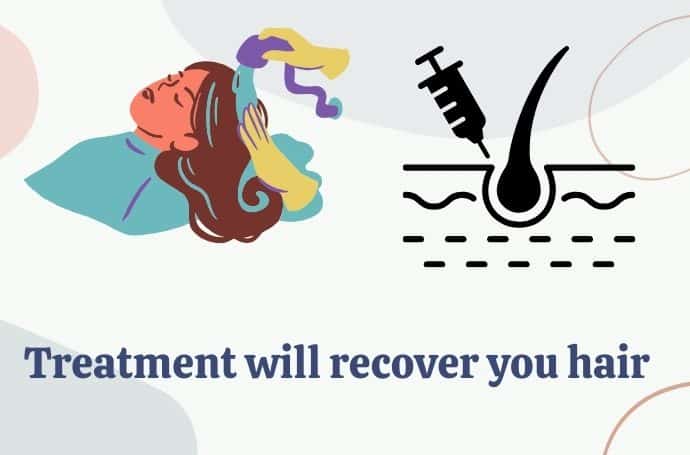
Finasteride, selling under the name Propecia, is available only with a prescription because it needs to be taken orally. It works by inhibiting the enzyme 5-alpha-reductase, which converts testosterone to dihydrotestosterone (DHT). Hair follicles in androgenetic alopecia shrink because of the action of the hormone DHT. It can stop hair loss and help some individuals’ hair sprout up again by cutting back on DHT. It’s important to note that finasteride is typically recommended for men and can have side effects, including sexual dysfunction, which should be discussed with a healthcare provider.
Another medical treatment option is low-level laser therapy (LLLT), which involves using laser devices to stimulate hair follicles and promote hair growth. Many people with ASD find that these devices help them in either their home or in hospitals. Platelet-rich plasma (PRP) therapy is another treatment gaining popularity. This involves drawing a patient’s blood, processing it to concentrate the platelets, and injecting the platelet-rich plasma into the scalp. Components in PRP can significantly encourage your hair to grow and fill in the hair follicles.
Natural options and adjustments to your way of living
People looking for a natural way to deal with hair loss may find that changing their diet and using herbal remedies works best. Research has found that rosemary, peppermint and lavender oils can boost the growth of your hair when applied to your scalp. They can pump fresh blood to the scalp, enhance the strength of your hair roots and lower hair loss. Put several drops of essential oil into coconut or jojoba oil, rub them into your scalp for several minutes and then wash them out afterward.
Adding stress management habits to your daily routine may stop you from losing hair. When your body is under ongoing pressure, it can negatively affect your hair growth cycle and bring on conditions such as telogen effluvium. Practicing yoga, meditating and taking deep breaths can both lower your stress levels and enhance your overall health. Regularly walking, swimming or cycling may help your hair grow healthier.
Changing your diet is important for preventing natural hair loss. A hair-healthy diet should have plenty of often-missing vitamins and minerals. Hair stays healthy when you get plenty of biotin, zinc, iron and vitamins A, C, D and E. Don’t forget to include lots of fresh greens, nuts, seeds, lean meats and fruit in your eating plan. Hair can become dry and brittle if you don’t drink enough water.
Nutrition’s Importance for the Health of Our Hair
The right nutrition is important for both healthy hair and stopping hair loss. You need a healthy diet that covers your essential vitamins and minerals for strong and healthy hair. Hair growth can be supported by biotin which many people call vitamin B7. Foods you can find biotin in eggs, nuts, seeds and sweet potatoes support strong hair and nails. If the body lacks enough biotin, it often causes thinning and loss of hair.
Hair needs iron for optimal health just as much as vitamins. A lack of iron in your diet, called anemia, can make your hair break or become brittle. You can get plenty of iron from red meat, poultry, fish, lentils and spinach. Vitamin C increases the body’s ability to absorb iron, so try eating citrus, bell peppers or broccoli along with foods rich in iron.
Having a healthy scalp and supporting hair growth is helped by the omega-3 fatty acids in salmon, walnuts and flaxseeds. Healthy fats feed your hair follicles and help prevent inflammation that causes hair problems. Hair tissue growth and repair depends on having adequate zinc. Weight-loss diets that include zinc suggest eating shellfish, nuts and whole grains. When your meals have many nutrient-rich foods, it can shore up your hair and lessen your risk of losing it.
Here’s What to Know About Hair Transplant Options
If you are hoping for an enduring answer to hair loss, hair transplant surgery may work well for you. During a hair transplant, hair follicles are moved from the back or sides of the scalp to parts of the head where hair has disappeared. There are two main types of hair transplant procedures: Follicular Unit Transplantation (FUT) and Follicular Unit Extraction (FUE).
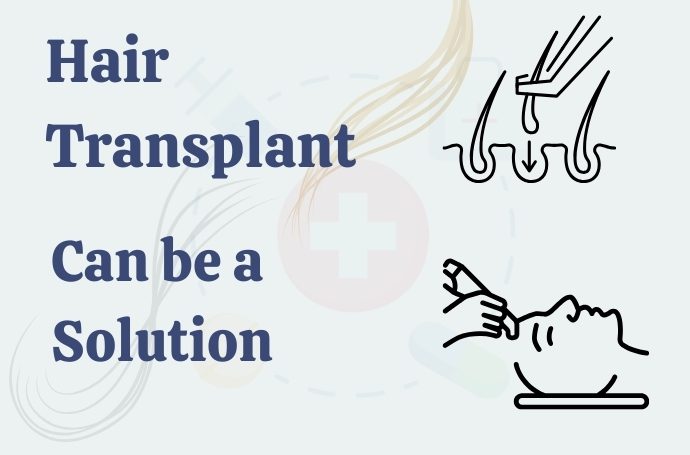
In Follicular Unit Transplantation (FUT), a strip of scalp is removed from the donor area, and individual hair follicles are extracted and transplanted to the recipient area. Since lots of grafts can be implanted at once, this approach is perfect for those with serious hair loss problems. Having a linear scar at the donor site should be noted by anyone thinking about a very short haircut.
Follicular Unit Extraction (FUE) involves individually extracting hair follicles from the donor area and transplanting them to the recipient area. Because it is less invasive and produces no straight scar line, many patients choose this procedure. Most often, the time to recover is less, while the threats of complications are fewer. Both FUT and FUE require a skilled surgeon to achieve natural-looking results, so it’s essential to choose a reputable clinic with experienced professionals.
It’s important to have realistic expectations when considering a hair transplant. Though the findings might be truly significant, he results may take time to become noticeable. After several months, you’ll notice hair growth and it will take a year or more to see the full results. Because not every person qualifies for hair transplant surgery, it’s important to talk to a specialist to find out the best way forward.
Analyzing What’s in Over-the-Counter Drugs
The market is flooded with over-the-counter (OTC) products claiming to combat hair loss and promote hair growth. There is everything from shampoos and conditioners to supplements and products you apply directly to the skin. While some OTC products can be effective, it’s important to approach them with a critical eye and realistic expectations.
Often, hair growth shampoos and conditioners use biotin, keratin and saw palmetto to help keep your hair healthy and improve hair that is thinning. Even so, these products are usually better at improving hair if used in a hair care program rather than just on their own. If you add regular use to a healthy diet and healthy scalp, then expect better results.
Usually, hair growth shampoos and conditioners have biotin, keratin and saw palmetto which benefit your hair and make thinning hair appear healthier. However, it works much better when used with other hair care products, instead of only on its own. Keeping up with regular use, good nutrition and regular scalp care will better improve your hair.
You can buy common topical treatments like those with minoxidil at most pharmacies and these products have scientifically been shown to increase hair growth. Minoxidil leads to the widening of hair follicles and a better blood supply to your scalp. It’s important to follow the instructions carefully and be patient, as results can take several months to become noticeable.
Hair growth supplements are widely used over the counter. Many of these supplements are made with a mix of vitamins, minerals and various herbs meant to help hair stay healthy. While they can be beneficial for individuals with nutritional deficiencies, it’s important to consult with a healthcare provider before starting any new supplement regimen. There are supplements that are not safe and may affect your treatment or health issues.
Selecting the Correct Approach for Your Hair Loss
Because there are so many options for hair loss treatments, choosing can be stressful. Your doctor will treat your hair loss by looking at the type of hair loss you have, your overall health and what you prefer. You can learn a lot from visiting a dermatologist or trichologist, who can guide you in making your decision.
If a person has androgenetic alopecia, doctors often advise starting with FDA approved medications, minoxidil and finasteride. Several studies have found that these medications can control hair loss and make hair grow again in many instances. Following the treatment plan as instructed is necessary for the treatment to be most effective.
Those who like natural health care can try changing their lifestyle, diets and relying on natural products. Consuming important nutrients for hair health, controlling stress and applying essential oils and giving your scalp regular massages may aid in promoting hair growth and stopping additional losses. However, it’s important to set realistic expectations and understand that natural remedies may take longer to show results.
If a long-term answer is what you want, hair transplant surgery is a possible option. Asking a skilled surgeon for their opinion will help you discover if you are fit and pick the best procedure. It’s important to have realistic expectations and understand that the results may take time to become fully visible.
Building Confidence Is Possible with the right Hair loss treatment
Hair loss can be a challenging experience, but it doesn’t have to define you. As there are many good treatments for hair, you have the chance to solve your hair issues and feel better about yourself. Whichever method you pick for treatment medical, natural or surgical it’s important to stay calm and work hard towards recovery.
Don’t forget that you have support throughout your learning. Doctors, therapists and support groups, plus talking to people with similar struggles, can help you find inspiration and tips. Accept that finding the right way to treat yourself takes time and mark your improvements as you go.
What we want is for you to feel confident and in good health again, not just to have fuller hair. Dealing with the factors behind your hair loss can improve both your body and your confidence. It’s time to forget self-doubt and begin to feel better every day. Let go of doubt and enjoy your way to healthier, thicker hair.


