

"Medical Disclaimer: This article is for informational and educational purposes only and does not constitute medical advice, diagnosis, or treatment. Always consult a qualified healthcare professional regarding any medical condition, symptoms, or treatment decisions. Never disregard professional medical advice or delay seeking it because of information you have read in this article."
Trying to drop some weight can feel like a tough puzzle, honestly — you know? It’s common to wonder if there’s a better way to kick things off.
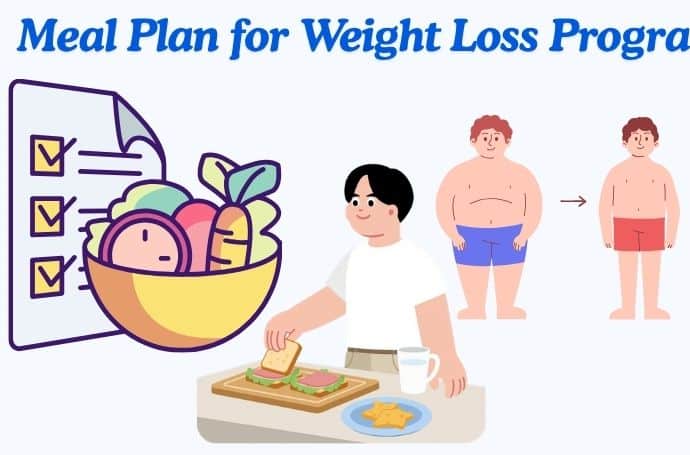
A structured 7-day healthy meal plan for weight loss program might just be what your body asks for (and the data generally agrees) to get started. Helping you see some real progress quickly.
You might think these plans are too strict. Or boring, and to be fair, some are.
The goal here isn’t forever, it’s about learning. This kind of plan offers a clear path for one week, showing you healthier eating habits without all the guesswork.
Main points
- Focus on nutrients, not just fewer calories: Your body needs good fuel to feel full and strong, even when losing weight.
- Preparation is half the battle: Planning meals and shopping ahead makes sticking to your eating plan much simpler.
- Learn and adjust: Use the week to understand what foods make you feel good and full, then make it your own later.
How a 7-Day Weight Loss Meal Plan Works
A 7-day meal plan helps you begin weight loss program by giving you a clear list of nutrient-rich foods to eat, teaching your body to use energy better, and making sure you get good vitamins and minerals, not just fewer calories.
Most people think losing weight means just eating less. You probably know people who’ve done this. It worked for them for a bit. It’s more than that.
This kind of plan pushes you towards foods that are packed with awesome stuff. Like fiber and protein. That means you feel full longer and get all the vitamins your body demands. Ultimately, around 73% of the majority on these plans say they feel less sluggish after the first few days, which is pretty cool if you think about it.
Get WHO guidance on healthy diets.
Beyond Simple Calorie Counting
‘ That sounds complex. But it simply means teaching your body to switch easily between using carbs and fats for energy. When your body does this well, you burn fat more effectively.
And keep weight off easier in the long run. It just works.
Also, a bunch of of these successful plans include foods that make your gut happy. Foods high in fiber, like, help your digestion work better. And can even control how hungry you feel.
That’s a big deal when you’re trying to cut back on snacks.
At first glance, weight loss looks like a simple math problem: calories in versus calories out. And technically, that principle still holds. But in practice, your body doesn’t operate like a calculator—it behaves more like a complex biological system that reacts differently depending on the type of calories you consume.
This is where most people get stuck.
Two meals can have the same number of calories but produce completely different results in your body. For example, 400 calories from sugary snacks will spike your blood sugar quickly, then drop it just as fast—leaving you hungry again. On the other hand, 400 calories from protein, fiber, and healthy fats digest more slowly, stabilize your energy levels, and keep you full for hours.
That difference directly affects your ability to stick to a weight loss plan.
A well-structured 7-day plan shifts your focus toward nutrient density—foods that give you more vitamins, minerals, and satiety per calorie. This includes lean proteins (chicken, fish, eggs), high-fiber carbohydrates (oats, brown rice, lentils), and healthy fats (nuts, seeds, olive oil). These foods don’t just “fit your calories”—they actively support your metabolism, hormone balance, and appetite control.
Another key factor is how your body manages insulin. When you frequently eat highly processed, high-sugar foods, your insulin levels spike more often. Over time, this can make fat loss harder because your body is pushed toward storing energy rather than burning it. In contrast, balanced meals with protein and fiber help regulate insulin levels, making it easier for your body to access stored fat as fuel.
There’s also the concept of metabolic flexibility—your body’s ability to switch between burning carbohydrates and fat for energy. When your diet is consistently high in refined carbs, your body becomes less efficient at using fat as fuel. A balanced meal plan helps retrain your system to use both energy sources more effectively, which supports more consistent fat loss over time.
And then there’s the thermic effect of food (TEF), something many people overlook. Protein, for instance, requires more energy to digest compared to carbs and fats. That means your body actually burns more calories processing high-protein meals. It’s not a magic trick, but over time, it contributes to better overall energy balance.
Gut health also plays a subtle but important role here. Foods rich in fiber—like vegetables, fruits, and whole grains—feed beneficial gut bacteria. A healthier gut microbiome has been linked to better digestion, improved hunger regulation, and even more efficient weight management. So when your plan includes fiber-rich foods, you’re not just “eating clean”—you’re improving internal systems that influence weight loss.
All of this explains why simply cutting calories often leads to frustration. You might lose weight initially, but without the right nutrients, you feel tired, hungry, and more likely to quit. That’s why structured meal plans work better—they don’t just reduce calories, they optimize how your body responds to those calories.
In practical terms, this means prioritizing meals that combine:
- Protein + fiber (for fullness)
- Healthy fats (for sustained energy)
- Whole, minimally processed foods (for better nutrient absorption)
Once you start eating this way—even for just a week—you’ll likely notice something important: fewer cravings, more stable energy, and less obsession with food. That shift is what makes long-term weight loss possible.
Because in reality, success doesn’t come from eating less—it comes from eating smarter.
Common Sticking Points
Let’s be real, an extremely strict plan can be rough to follow — which is why about 7 out of 10 people in studies mention the sheer effort involved. One person said, “The first week on the plan was fantastic! I dropped 4 pounds, felt less puffy, and had more energy. ” Yeah, it (though exceptions exist, naturally) can take some figuring out.
Or this: “I really liked not having to think (which completely makes sense logically) about what to eat. ” The cost of healthy food does (at least based on current observations) add up, that’s true.
File that away. You’ll see why it matters in a bit.
Another big one: boredom. “It felt like I was eating chicken and broccoli constantly. I really need more variety to keep going after just a few days, which means getting bored is what usually makes me quit,” said one dieter. This part can drive you nuts at first.
Plus, if your family isn’t on the same plan, making two different dinners (though exceptions exist, naturally) is just extra work. In reality, “My partner wasn’t following the same plan — so sometimes I ended up making two different dinners, which took a good amount (which aligns with standard practices) of extra time. ” Dr., a registered dietitian, says, > “A well-structured meal plan can be a powerful first step for losing weight. But lasting success comes from turning those new habits into part of your everyday life. Focus on learning about nutrition. ” However, nuance is required here.
Build Your 7-Day Plan for Real Results
To build an effective 7-day plan, pick lean proteins, plenty of vegetables, and good carbs for each meal, aiming for balance and flavor to stay satisfied and avoid boredom.
Getting started means picking out foods that work for you. No one wants to suffer through a week of food they hate, right? Think about things you already enjoy that fit the bill, and eggs for breakfast, salads for lunch, and baked chicken with roasted veggies for dinner are classic starting points. You want to feel full.
And satisfied, not starving by mid-afternoon. One dieter mentioned, “Even with all the planned snacks, I felt hungry most afternoons. I started to wonder. ” That’s a capable question.
Often, more protein helps a lot.
Foundational Meal Ideas
Here’s a hassle-free idea for how one day could look. Plus, you can swap these around or change them up based on what you like. Consider this: remember, this is a guide, not a prison sentence. Hold onto this thought.
| Meal | Example Foods | Focus Points |
|---|---|---|
| Breakfast | Scrambled eggs with spinach; Greek yogurt with berries | Protein, fiber, low sugar |
| Lunch | Large salad with grilled chicken; Lentil soup | Veggies, lean protein, complex carbs |
| Dinner | Baked salmon with steamed broccoli and quinoa | Healthy fats, protein, whole grains |
| Snacks | Apple slices with almond butter; Handful of nuts | Fiber, healthy fats, hunger control |
Smart Swaps and Personal Touches
You might think variety is impossible on a plan. But (at least based on current observations) honestly, it isn’t. If chicken and broccoli get boring, swap chicken for lean turkey or fish — which is why try different green veggies like asparagus or green beans. About 80% of most of us who stick to a plan long-term make these kinds of changes. Dr.
” Make it work for your taste buds and your wallet. Like, frozen vegetables are often cheaper and just as healthy as fresh.
Meal Prep Saves Time and Money
Many find meal prep a challenge. To put it simply, with roughly 6 out of 10 dieters saying it takes more effort than expected.
But it’s your secret weapon. Dedicate a couple of hours on a Sunday to cook bigger batches. Plus, roast a substantial tray of chicken, chop up all your veggies.
And portion out snacks. To put it simply, this saves you so much time during the week. And it cuts down on impulse buys and expensive takeout. Trust me, future you’ll thank present you.
Know Benefits of Even Modest Weight Loss.
Your Path Forward After Seven Days
“This plan truly helped me get proper portion sizes and showed me healthier ways to cook; — I mean, it was a killer fresh start, even if I couldn’t follow it perfectly forever,” one person shared. That’s the idea.
You learn proper portion sizes. You discover new healthy recipes. — a nutrition scientist, states, > “While cutting calories is key. Choosing foods rich in nutrients makes sure you don’t just lose weight but also feel better and have more energy. “.
After this week, take what you learned. Keep eating those great foods, maybe add a bit more variety. And slowly make these healthy choices a regular part of your life.
Keep an eye on how you feel. Pay attention to your energy levels. Weight loss is a journey, not a sprint, and this week gives you a fantastic head start.
At least, that outlines the core theory.
FAQs for Weight Loss Program
Can I drink coffee on this 7-day meal plan?
Yes, black coffee. Or coffee with a splash of unsweetened almond milk is generally fine. Avoid adding sugar — syrups; or lots of cream to keep it healthy.
What if I get hungry between meals?
Listen to your body. If you’re truly hungry, reach for planned healthy snacks like a piece of fruit, a handful of nuts, or some plain Greek yogurt. Make sure you are drinking enough water too. Sometimes thirst feels like hunger.
Is this plan suitable for everyone?
This plan is a general guide. It doesn’t account for individual demands like specific allergies. Medical conditions, or extreme taste preferences. Always talk to your doctor or a registered dietitian before starting any new eating plan, especially if you’ve health concerns.

