
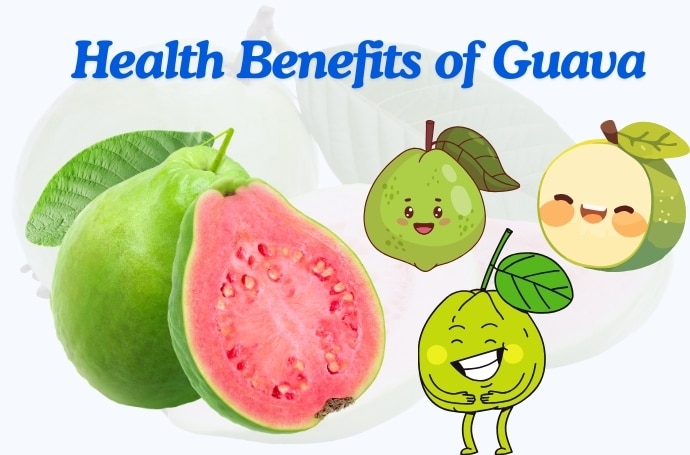
Table of Contents Hide
- Guava Overview: Botanical Background and Origin
- Guava Nutrition Facts (Per 100g)
- Top Health Benefits of Guava
- Guava Benefits for Diabetes Control
- Guava Benefits for Weight Loss
- Nutrition Recommendations for Eating Guava Daily
- Best Ways to Eat Guava
- Final Judgement about The “Guava”
- Frequently Asked Questions (FAQs)
Guava is often described as one of the most nutrient-dense tropical fruits. While many people focus on apples or oranges for daily nutrition, guava offers exceptionally high vitamin C, fiber, and antioxidant content in a relatively low-calorie package. The health benefits of guava extend from immune support and digestive health to blood sugar regulation and skin protection.
This article provides a detailed, evidence-based explanation of the health benefits of guava, including its nutritional profile, impact on weight management, diabetes control, heart health, pregnancy support, and potential side effects.
Guava Overview: Botanical Background and Origin
Guava is a tropical fruit that belongs to the Myrtaceae family. It is typically round or oval with green or yellow skin and white, pink, or red flesh inside. The seeds are edible, and the fruit has a mildly sweet, slightly tangy flavor.
Guava is a tropical fruit grown primarily in South America, Central America, and parts of Asia. It belongs to the Myrtaceae family and typically has green or yellow skin with white, pink, or red flesh inside. The fruit contains edible seeds and has a sweet, slightly tangy flavor. Guava is widely cultivated in countries like India, Thailand, Mexico, and Bangladesh. Because it grows well in warm climates and is relatively affordable, it is accessible to a broad population, making it an important fruit for public health nutrition.
Guava Nutrition Facts (Per 100g)
Understanding the health benefits of guava begins with its nutrient composition. According to data from the United States Department of Agriculture (USDA), 100 grams of raw guava contains approximately:
| Nutrient | Amount per 100g | Health Significance |
|---|---|---|
| Calories | 68 kcal | Low-calorie fruit suitable for weight control |
| Carbohydrates | 14 g | Provides natural energy |
| Dietary Fiber | 5 g | Supports digestion and satiety |
| Protein | 2.6 g | Higher protein than many fruits |
| Total Fat | 1 g | Very low fat content |
| Vitamin C | 228 mg | More than 200% of daily requirement |
| Folate (Vitamin B9) | 49 mcg | Important for cell growth and pregnancy |
| Potassium | 417 mg | Helps regulate blood pressure |
| Vitamin A | 624 IU | Supports vision and immunity |
| Magnesium | 22 mg | Supports muscle and nerve function |
One of the most remarkable features is its extremely high vitamin C content. Guava contains more vitamin C than oranges, making it one of the richest natural sources of this essential nutrient.
Top Health Benefits of Guava
- Extremely Rich in Vitamin C for Immune Support
The most prominent of all health benefits of guava is immune enhancement. Vitamin C plays a critical role in strengthening immune defense by stimulating white blood cell production and acting as a powerful antioxidant. The World Health Organization emphasizes the importance of adequate micronutrient intake for immune resilience. Because guava delivers more than twice the daily recommended intake of vitamin C per 100 grams, regular consumption may help reduce the duration and severity of common infections.
- Supports Digestive Health
Guava is high in dietary fiber, with around 5 grams per 100 grams. Fiber supports regular bowel movements, prevents constipation, and promotes healthy gut bacteria. A fiber-rich diet is associated with lower risk of digestive disorders. Guava seeds also stimulate intestinal movement, contributing to digestive efficiency.
- May Help Control Blood Sugar Levels
Guava has a relatively low glycemic index compared to many other fruits. Its fiber slows carbohydrate absorption, helping stabilize blood glucose levels. The American Diabetes Association supports diets rich in fiber and low-glycemic foods for individuals managing type 2 diabetes. When consumed in moderation and without added sugars, guava can be suitable for diabetic meal planning.
- Supports Heart Health
Another important health benefit of guava is cardiovascular protection. The fruit contains potassium and soluble fiber, both of which contribute to heart health. Potassium helps regulate blood pressure by counteracting sodium effects. Soluble fiber may assist in lowering LDL (bad) cholesterol levels. According to the American Heart Association, diets rich in fruits high in potassium and fiber are associated with reduced risk of heart disease.
- Aids in Weight Management
Despite being sweet, guava is relatively low in calories. With only 68 calories per 100 grams, it provides high satiety due to fiber content. Fiber slows digestion, prolongs fullness, and may reduce overall calorie intake. Including guava in a balanced diet can help manage hunger without excessive calorie consumption.
- Rich in Antioxidants
Guava contains antioxidants such as lycopene, quercetin, and vitamin C. Lycopene, especially in pink guava varieties, may protect cells from oxidative stress. Oxidative stress is linked to chronic diseases such as heart disease and certain cancers. Antioxidant-rich fruits help neutralize free radicals and support long-term health.
- Beneficial During Pregnancy
Folate is essential during pregnancy for fetal neural development. Guava provides a meaningful amount of folate per serving. Adequate folate intake reduces the risk of neural tube defects. Additionally, vitamin C enhances iron absorption, which is important during pregnancy to prevent anemia.
- Improves Skin Health
The health benefits of guava also extend to skin care. Vitamin C is essential for collagen production, which maintains skin elasticity and firmness. Antioxidants in guava may help reduce premature aging by combating oxidative damage. Some people also apply guava leaf extracts topically, though dietary consumption remains the primary scientifically supported approach.
- May Reduce Menstrual Pain
Preliminary research suggests guava leaf extract may help reduce menstrual cramps by relaxing uterine muscles. While more large-scale clinical trials are needed, early findings indicate potential benefits for menstrual discomfort management.
- Supports Brain Function
Guava contains vitamin B6 and niacin, which support brain circulation and cognitive function. Adequate intake of B vitamins contributes to improved nerve function and mental clarity.
Guava Benefits for Diabetes Control
One of the important health benefits of guava is its potential role in blood sugar regulation. Guava has a relatively low glycemic index compared to many sweet fruits. This means it does not cause a rapid spike in blood glucose levels when eaten in moderate portions.
The high fiber content in guava slows the digestion and absorption of carbohydrates. This gradual absorption helps stabilize post-meal blood sugar levels. According to dietary guidance from the American Diabetes Association, fiber-rich fruits can be included in a balanced meal plan for individuals managing type 2 diabetes.
Guava also contains antioxidants such as quercetin and vitamin C, which may help reduce oxidative stress associated with diabetes-related complications. However, portion control remains essential. Whole guava is preferable to guava juice because juicing removes fiber and may increase glycemic impact.
For better diabetes control:
– Choose whole fresh guava instead of processed juice
– Eat moderate portions (about one medium fruit)
– Combine with protein or healthy fats to slow digestion
– Monitor individual blood sugar response
When consumed thoughtfully, guava can be part of a diabetes-friendly diet.
Guava Benefits for Weight Loss
Another significant health benefit of guava is its support for weight management. Guava is low in calories but high in fiber, which promotes satiety and reduces hunger.
With approximately 68 calories per 100 grams, guava offers natural sweetness without excessive energy intake. The fiber content slows gastric emptying, helping you feel full for longer periods. This may reduce overall daily calorie consumption.
Guava can also help control cravings for processed desserts due to its naturally sweet flavor. Replacing high-calorie snacks with fresh guava is a practical strategy for calorie control.
For effective weight management:
– Eat guava as a mid-morning or afternoon snack
– Avoid adding sugar or salt
– Pair it with yogurt or nuts for balanced macronutrients
– Maintain overall calorie awareness
While guava alone does not cause weight loss, it can support a structured, calorie-controlled diet.
Nutrition Recommendations for Eating Guava Daily
To maximize the health benefits of guava, moderation and balance are essential.
For most healthy adults, consuming one medium guava (approximately 100–150 grams) per day is appropriate. This amount provides more than enough vitamin C for daily requirements along with beneficial fiber and antioxidants.
Individuals with higher fiber sensitivity should begin with smaller portions to avoid bloating. Because guava is rich in vitamin C, excessive intake is generally unnecessary.
General nutrition recommendations:
– Eat guava fresh with the skin for maximum fiber
– Wash thoroughly before consumption
– Avoid excessive processed guava products
– Include a variety of fruits in your diet for nutrient diversity
A balanced approach ensures you receive the full nutritional advantages of guava without digestive discomfort or excess calorie intake.
Also read Health Benefits of Eating Avocado.
Best Ways to Eat Guava
Below are practical, detailed, and healthy recipe ideas you can include in your article. These methods preserve fiber, vitamin C, and antioxidant content while keeping the preparation AdSense-friendly and nutrition-focused.
Eat Fresh with Skin for Maximum Fiber Intake
Recipe: Fresh Sliced Guava Snack Bowl
Ingredients:
– 1 medium ripe guava
– A pinch of black salt (optional)
– A squeeze of fresh lemon juice
– A small pinch of chili powder (optional)
Preparation:
Wash the guava thoroughly under running water. Slice it into thin wedges without removing the skin. The skin contains additional fiber and antioxidants, so keeping it intact increases nutritional value. Lightly sprinkle lemon juice to enhance vitamin C stability and add flavor. For a savory variation, add a small pinch of chili powder or black salt.
Nutritional advantage:
This method preserves all fiber, vitamin C, and phytonutrients while avoiding added sugars or unhealthy fats.
Add Chopped Guava to Fruit Salads
Recipe: High-Fiber Tropical Fruit Salad
Ingredients:
– 1 chopped guava (with skin)
– 1 cup diced papaya
– ½ cup pomegranate seeds
– 1 sliced apple
– Fresh mint leaves
– 1 tablespoon lemon juice
Preparation:
Combine all chopped fruits in a bowl. Add lemon juice and mix gently. Garnish with fresh mint leaves. Serve immediately.
Nutritional advantage:
Combining guava with other fruits increases antioxidant diversity. The fiber from guava improves satiety, making this suitable as a mid-morning snack for weight management.
Blend into Smoothies Without Added Sugar
Recipe: Guava Green Immunity Smoothie
Ingredients:
– 1 ripe guava (chopped)
– 1 handful spinach
– ½ banana
– 1 cup unsweetened almond milk or low-fat milk
– 1 tablespoon chia seeds
Preparation:
Blend all ingredients until smooth. Avoid adding sugar or syrup. If extra sweetness is needed, use half a date instead of refined sugar.
Nutritional advantage:
This smoothie provides fiber, plant-based omega-3 fatty acids from chia seeds, and sustained energy. Because guava is naturally sweet, additional sugar is unnecessary.
Use in Yogurt Bowls for Added Vitamin C
Recipe: Guava Protein Yogurt Bowl
Ingredients:
– 1 cup plain Greek yogurt
– ½ chopped guava
– 1 tablespoon pumpkin seeds
– 1 tablespoon almonds (sliced)
– 1 teaspoon honey (optional, minimal amount)
Preparation:
Add Greek yogurt to a bowl. Top with chopped guava, seeds, and nuts. Drizzle a small amount of honey if desired.
Nutritional advantage:
The combination of protein from yogurt and fiber from guava improves satiety and supports muscle maintenance. Vitamin C from guava may enhance iron absorption when paired with iron-rich seeds.
Prepare Guava Salsa with Lime and Chili for a Savory Option
Recipe: Fresh Guava Salsa
Ingredients:
– 1 firm guava (finely diced)
– 1 small red onion (finely chopped)
– 1 tablespoon chopped cilantro
– Juice of half a lime
– ½ green chili (finely minced)
– Pinch of salt
Preparation:
Mix all ingredients in a bowl and let rest for 10 minutes to allow flavors to combine. Serve with grilled chicken, fish, or whole-grain crackers.
Nutritional advantage:
This savory preparation provides antioxidants and fiber without added fats. It can replace high-calorie sauces and creamy dips, making meals lighter and more nutrient-dense.
Final Judgement about The “Guava”
The health benefits of guava are extensive and supported by nutritional science. Its exceptional vitamin C content, high fiber levels, antioxidant compounds, and low calorie density make it a valuable addition to a balanced diet.
Guava supports immune function, digestive health, heart health, blood sugar stability, skin health, and weight management. When consumed in moderation as part of a diverse, whole-food diet, it is both safe and highly beneficial.
Frequently Asked Questions (FAQs)
Is guava high in sugar?
Guava contains natural sugars but has a low glycemic index due to high fiber content.
Can diabetics eat guava daily?
Yes, in controlled portions and as part of a balanced diet.
Is guava good for skin?
Yes, due to high vitamin C and antioxidant content that supports collagen production.
Is guava good for immunity?
Yes, its vitamin C concentration makes it one of the best fruits for immune support.


