


"Medical Disclaimer: This article is for informational and educational purposes only and does not constitute medical advice, diagnosis, or treatment. Always consult a qualified healthcare professional regarding any medical condition, symptoms, or treatment decisions. Never disregard professional medical advice or delay seeking it because of information you have read in this article."
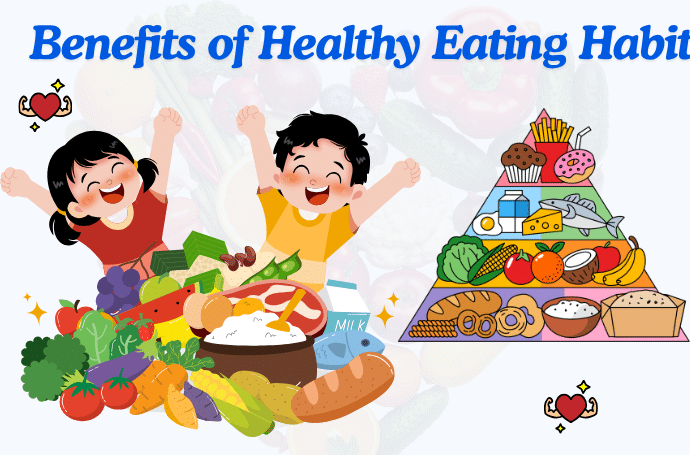
In today’s fast-paced world, maintaining a healthy lifestyle often feels challenging. However, the foundation of long-term health, energy, and well-being lies in one critical area—your eating habits. Developing healthy eating habits is not about strict dieting or giving up your favorite foods; it’s about making smarter, sustainable choices that improve your quality of life over time.
This guide will walk you through practical, science-backed healthy eating habits that can truly change your life.
Key Takeaways
- Your gut health thrives on about 30 different plant foods each week, boosting mood and immunity.
- Spreading protein (20-30g per meal) and smart hydration prevent energy crashes.
- Mindful eating helps you enjoy food more and naturally stops overeating.
Why Healthy Eating Habits Matter
Healthy eating directly impacts your physical health, mental clarity, and emotional well-being. A balanced diet helps:
- Maintain a healthy weight
- Reduce the risk of chronic diseases
- Boost energy levels
- Improve brain function
- Strengthen the immune system
Poor eating habits, on the other hand, are linked to obesity, heart disease, diabetes, and fatigue. The good news is that even small dietary changes can produce significant results.
“According to the World Health Organization, a healthy diet helps prevent chronic diseases like diabetes and heart disease.”
Start Your Day with a Nutritious Breakfast
Breakfast is often referred to as the most important meal of the day—and for good reason. A balanced breakfast jumpstarts your metabolism and provides the energy needed to begin your day.
A healthy breakfast should include:
- Protein (eggs, yogurt, nuts)
- Complex carbohydrates (whole grains, oats)
- Healthy fats (avocado, seeds)
Avoid sugary cereals or processed foods, as they can lead to energy crashes later in the day.
“Fruits play a key role in healthy eating—especially those rich in hydration like watermelon. Learn more about the watermelon benefits.”
Unlock Lifelong Wellness: Your Gut-Brain Connection
A healthy gut is a powerful foundation for your overall well-being, influencing everything from digestion to mood and immune function. Prioritizing gut health through diverse plant consumption can dramatically improve how you feel daily.
Your gut microbiome, a complex community of bacteria, impacts nearly every system in your body. Think of it as an inner garden. Nurture it, and it flourishes. Neglect it, and problems arise. Dr. Emeran Mayer, a gut-brain expert, famously stated, “Your gut microbiome is like a garden; nurture it with diverse plants, and it will flourish, impacting everything from your mood to your immunity.” This means eating more than just apples and broccoli.
The 30-Plant Challenge
Aim for around 30 different plant foods each week. This sounds like a lot, but it includes fruits, vegetables, nuts, seeds, whole grains, and legumes. Why 30? A wider variety feeds a broader range of beneficial gut bacteria. More types of bacteria mean a stronger, more resilient gut. This diversity can reduce inflammation and even help with brain function.
Instead of just carrots, try purple carrots. Rotate your greens. Grab a new type of bean. This small habit delivers significant returns for your entire body.
Common Gut Health Missteps
A frequent mistake involves relying on processed foods, even those marketed as “healthy.” These often lack the fiber and diverse nutrients your gut needs. Many people also under-consume fiber, which is crucial for feeding beneficial bacteria. The typical diet barely hits half the recommended daily fiber. Avoiding this trap means actively seeking out whole, unprocessed options.
Boost Daily Energy: Protein & Smart Hydration
Consistent energy levels depend on how you fuel your body throughout the day, not just at one large meal. Proper protein distribution and varied hydration sources are critical for preventing fatigue and supporting sustained focus.
Ever feel that dreaded 3 PM slump? It often links directly to imbalanced meals and insufficient fluid intake. Smart eating isn’t just about what you eat, but when and how you drink. One person shared, “I used to feel so sluggish by 3 PM, but ever since I started eating more whole grains and less sugar, my energy is steady all day. It’s a game-changer!” This highlights the power of consistent nourishment.
Spread Your Protein Intake
Most people stack their protein at dinner. That’s a missed opportunity. Aim for 20-30 grams of protein at each main meal. This helps muscles recover and grow, keeps you feeling full longer, and stabilizes blood sugar. Think eggs or Greek yogurt for breakfast, chicken or lentils for lunch, and fish or beans for dinner. Your body uses protein more efficiently when spread out.
Hydrate Smarter, Not Harder
Water is essential, yes. But proper hydration goes beyond just plain water. Consider herbal teas, water-rich fruits like watermelon and cucumber, and broth-based soups. Many feel tired or unfocused simply because they are mildly dehydrated. Clearer thinking, better nutrient absorption, and smoother joint movement are all benefits of consistent, varied hydration. Don’t wait until you’re thirsty.
Master Mindful Eating & Fiber’s Power
Eating with intention—paying attention to hunger cues and food’s sensory details—can prevent overeating and deepen your enjoyment of meals. Pairing this with enough fiber creates a powerful combination for weight management and overall health.
Diet culture often tells us what not to eat, fostering a sense of deprivation. Instead, focus on abundance. As food author Michael Pollan puts it, “True healthy eating isn’t about restriction; it’s about abundance—filling your plate with nutrient-dense foods that nourish and satisfy.” This shift in mindset changes everything. When you focus on adding good things, the less desirable foods often fall away naturally.
Break the Diet Cycle with Mindful Eating
How often do you eat while distracted? Mindful eating means slowing down. Notice the colors, smells, and textures of your food. Chew slowly. Listen to your body’s signals of hunger and fullness. This practice helps you truly savor meals and often leads to eating just the right amount. It’s not about strict rules; it’s about reconnecting with your body’s wisdom. This method can feel challenging initially, especially if you’re used to quick meals, but the payoff is immense. One common mistake is rushing through meals, which sabotages your body’s ability to register satiety.
Fiber: Your Secret Weapon
Most adults consume only about half the recommended fiber daily. The target should be 25-38 grams daily from whole foods. Fiber is not just for digestion. It keeps blood sugar steady, lowers bad cholesterol, and feeds your gut bacteria. Think beans, lentils, berries, oats, and whole grains. If you’ve been struggling with sugar cravings, boosting fiber helps. “The hardest part was breaking my sugar addiction,” one individual noted, “For the first two weeks, I had headaches, but now I don’t even crave sweets. Fruits taste so much sweeter!” Fiber makes this transition smoother.
“The CDC recommends focusing on whole foods, limiting added sugars, and increasing fiber intake for better health.”
Your Simple Steps to a Healthier You
Changing eating habits can feel overwhelming, but remember Dr. Walter Willett’s wisdom: “The greatest wealth is health, and good nutrition is its cornerstone. Small, consistent changes create monumental results over time.” You do not need perfection, just persistence. Begin with one new habit. Add a handful of mixed seeds to your breakfast. Drink an extra glass of water. Choose a different vegetable this week. These small choices add up.
Consider preparing meals on Sundays to reduce decision fatigue during busy weekdays, as one user suggested. This also saves money. Don’t let social pressure derail your efforts; your health is worth advocating for. Your journey to feeling better, having more energy, and experiencing lasting well-being starts with these simple, powerful shifts.
Frequently Asked Questions (FAQs)
Is eating healthy expensive?
Initially, buying more fresh produce might seem costly. However, many find they save money by reducing purchases of processed snacks, fast food, and sugary drinks. Buying in-season produce and planning meals also helps manage costs effectively.
How do I handle social events when trying to eat healthy?
It takes willpower, as one user mentioned. You can eat a small healthy snack before going to reduce hunger. Choose wisely when there, focusing on vegetables and lean proteins. It’s okay to enjoy a treat, but keep it balanced. Your choices are yours to make.
How quickly will I see results from these eating changes?
Results vary, but many report increased energy and better digestion within a few weeks. Long-term benefits like improved mood, stronger immunity, and stable weight often become noticeable after a few months of consistent effort. Stick with it; consistency wins.

