

10 Balanced Diets for Weight Loss: Transform Your Health Today!
Are you ready to embark on a journey that will lead to improved health? Given all the diets and decision-making involved, losing weight is not a daunting task. The secret to losing weight and maintaining it is not only a diet plan but also a home exercise regimen. Ten Thanksgiving balanced diets, created by professionals, enhance nutrition without sacrificing taste and the pleasure of dining. There is something for everyone here, regardless of your experience level in wellness or if you’re starting on your wellness journey.
Balanced diets and weight loss explained.
A balanced diet consists of various types of foods in specific ratios to provide the necessary nutrients and energy to support normal body development and growth. This is not only beneficial for general health but also helps one shed weight. Knowing what constitutes a balanced diet will enable you to choose the best path for long-term success.
Beginning a weight loss program can seem overwhelming, as numerous diets claim to be the fastest and most effective approach to achieving a target weight. Still, a nutritious diet is the secret to steady weight loss.
Along with vitamins, minerals, and sufficient water, a balanced diet includes macronutrients—namely, fat, protein, and carbohydrates. The body uses carbohydrates for energy; protein helps muscles mend and grow; fats help produce hormones and maintain cell health. “You cover a variety of bases in terms of essential nutrients by combining fruits, vegetables, whole grains, lean proteins, and healthy fats; also, hydration takes the front stage; drinking water will help in digestion and keep you prepped up.”
Moderation and variety are the keys to a healthy diet. You will have found the ideal eating pattern for a lifetime by allowing a variety of foods rather than being overly restrictive in your limitations. This method not only helps people lose weight but also reduces their risk of chronic ailments, including diabetes, heart disease, and high blood pressure. Let’s review several well-balanced diets that may be beneficial to you.
Science of Weight Loss: How Does Your Body React to Less Consumption?
Making wise food choices depends on understanding what science reveals when discussing the topic of weight loss. Eating fewer calories than you burn results in a caloric deficit and causes weight reduction. This shortfall forces your body to use stored fat for energy control, which results in weight loss. However, the type of calories you consume counts just as much for weight loss and maintaining good health.
The variations in macronutrient ratios affect your metabolism and sense of fullness differently. Protein, for instance, has a high thermic action, so your body consumes more energy breaking it than it does breaking down fats and carbohydrates. This could cause your metabolism to increase, and you may feel fuller for a more extended period, leading to a reduction in overall calorie intake. Additionally, to keep us fuller for longer, fruit, vegetables, and whole grains help digestion and, through these processes, may aid in weight loss.
Eating refined sugars and simple carbohydrates can lead to insulin resistance and increased hunger, making it more challenging to maintain weight loss; on the other hand, a nutrient-dense diet of whole foods helps regulate hormones and sustain weight loss. Insulin regulates blood sugar levels, while ghrelin prompts hunger, and leptin signals the sensation of fullness to the brain.
Top 10 Balanced Diets-List and Background Information
From the heart-healthy Mediterranean diet to the wildly popular intermittent fasting craze, these diets offer choices to fit different lifestyles and tastes. Now that we know balanced diets and the science behind losing weight let’s walk through the top ten balanced diets that can help you reach your goals. All programs are designed to ensure participants receive adequate nutrients while promoting sustainable weight loss.
- Considered an eating style emphasizing lean proteins, heart-healthy fats, and an abundance of fruits and vegetables, Mediterranean diets
- DASH Diet: mostly a diet concentrated on vegetables, fruits, whole grains, and lean meat; emphasis is on portion size, limiting sodium consumption, and eating a variety of nutrient-based meals.
- A plant-based diet primarily excludes animal products, offering a practical approach to weight reduction and emphasizing foods derived from plants, thereby promoting overall health.
- Emphasizing unprocessed, natural foods, the Palaeolithic diet encourages eating like our ancestors.
- Designed to increase fat burning, a ketogenic diet is low in carbohydrates and heavy in fat.
- Intermittent fasting is cycles of time consisting of eating and fasting meant to regulate body weight.
- A plant-based diet known as the flexitarian diet lets one eat small amounts of meat.
- The Whole30 Diet is a 30-day program that eliminates all processed foods and sweets.
- WW (Weight Watchers) Diet: This diet is based on the WW points system to promote healthier eating choices.
- Concentrate on low-calorie, high-volume foods in the volumetrics diet to help keep you full.
Once you understand their foundations, you will be able to choose which of these “diets” best fits your weight loss goals and way of life.
What is the Mediterranean diet, and what can I eat on it?
Based on the traditional cuisine and eating habits of nations surrounding the Mediterranean Sea, the Mediterranean diet emphasizes whole grains, healthy fats, and lean proteins. The introduction of olive oil, nuts, seeds, and fatty fish, such as salmon, has been of vital importance since they contain beneficial omega-3 fatty acids, which help cardiovascular health.
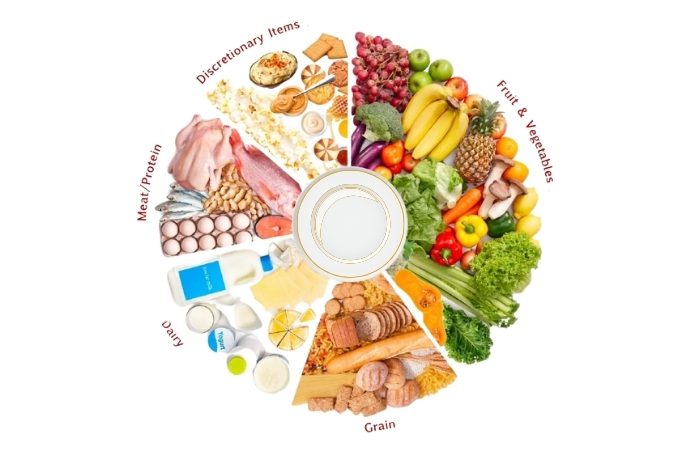
The Mediterranean diet is rich in antioxidants from fruits and vegetables that help combat inflammation and oxidative stress, thereby reducing the risk of chronic diseases. Research has also shown that this diet can lower cholesterol levels, reduce blood pressure, and enhance overall heart health.
It could look like a breakfast of Greek yoghurt with honey and berries, a lunch of a quinoa salad with chickpeas and feta and a dinner of grilled fish served with roasted vegetables. Snacks could be some almonds or a piece of fresh fruit. You are trying to lose weight, so this diet provides a sufficient amount of food to keep you full.
A Lowering Blood Pressure Guide: DASH Diet Meal Plans for 14 Days to Improve Health and Lower Blood Pressure
The DASH (Dietary Approaches to Stop Hypertension) diet was initially created to combat high blood pressure. Still, it is also beneficial for weight loss. The DASH diet focuses on fruits, vegetables, whole grains, lean proteins, and low-fat dairy products. The DASH diet is designed to lower sodium and guide you to eat foods rich in nutrients such as potassium, calcium, and magnesium, which are known to help control blood pressure and support overall heart health.
One of the basic ideas of the DASH diet is the balance of macronutrients. It promotes the consumption of foods rich in potassium effect (like bananas and sweet potatoes) since potassium counters the effect of sodium. What’s more, the diet is rich in fibre, thanks to whole grains and vegetables that support digestion and keep you feeling full, making it easier to limit your calorie intake.
A typical daily meal plan on the DASH diet might include muesli with fresh berries for breakfast, turkey and avocado on whole-grain bread for lunch, and grilled chicken with steamed broccoli and brown rice for dinner. Snacks could include carrots and hummus or a small portion of low-fat yoghurt. The DASH diet is an effective and sustainable approach to weight loss, accommodating a wide range of tastes and foods.
Designed to help readers lose weight, reverse or prevent significant health problems, and invest in a sustainable life, a two-week low-fat diet with an emphasis on a plant-based regime.
Eating a plant-based diet is not only healthier for your health and waistline but also for the earth! Whether you want to be vegetarian (with dairy and eggs) or entirely vegan (with no animal products at all).
One of the main benefits of a plant-based diet is that it is high in fibre, which aids the digestive process, reduces hunger pangs, and helps balance blood sugar levels to support weight control. Moreover, plant-based diets are typically lower in total energy and saturated fats compared to diets that contain meat and processed foods; this can lead to a natural decrease in calorie consumption, ultimately resulting in weight loss.
A typical day might include a breakfast smoothie made with banana, spinach, and almond milk, a lunch of quinoa and black bean salad, and a dinner featuring lentil soup accompanied by whole-grain bread. Snack options could include apple slices with almond butter or a small handful of mixed nuts. Anyone looking to lose weight in a healthy, delicious way will find hundreds of healthy, just-good-for-you, mouthwatering, plant-based recipes at their fingertips.
Paleo Diet: How You Could Eat Like a Caveman and Possibly Avoid Early Death
The Paleo diet is rich in protein and good fats, which lower appetite and preserve muscle mass during weight loss. One of its central tenets is to consume whole foods and eliminate processed foods, allowing for controlled calorie intake and increased nutrient density, which can aid in weight loss and other aspects of health.
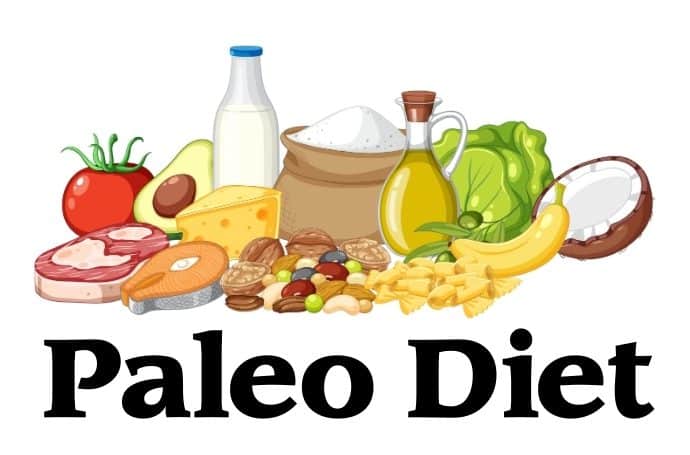
Eliminates foods not available in the Palaeolithic era, including dairy, grains, legumes, and processed foods; the idea here is that our bodies are more genetically adapted to the diet of our ancestors, which will lead to better health and improved weight management.
Meal planning is crucial for individuals following the Paleo diet to maintain variety and balance in their meals. A day’s worth of meals could look like scrambled eggs with spinach and avocado for breakfast, grilled chicken accompanied by a mixed greens salad for lunch, and baked salmon served with roasted sweet potatoes and broccoli for dinner. For snacks, a handful of nuts or fresh fruit would be good here.
Eat Fat to Lose Fat: Follow a Ketogenic Diet.
The ketogenic diet, also known as the keto diet, is a low-carb, high-fat diet with numerous health benefits. When carbohydrate intake is drastically reduced, and fat consumption is increased, the body enters a state of ketosis, in which it burns fat for energy instead of glucose. This change in metabolic character can lead to either significant weight loss or improved metabolic health.
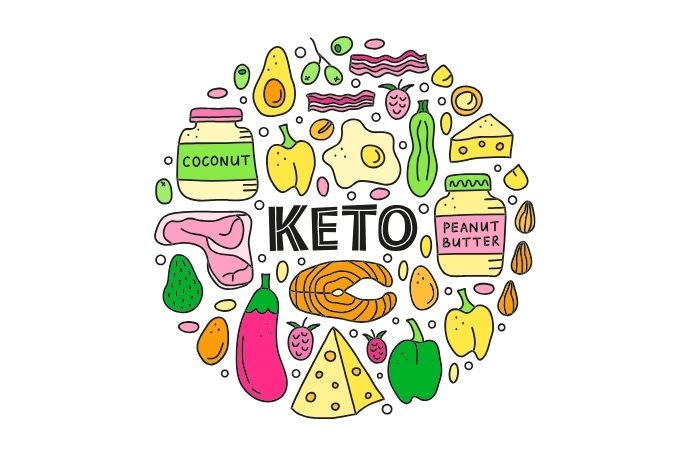
Foods high in fat tend to stimulate the appetite more quickly than carbohydrate sources, which may naturally lead to a reduction in calorie consumption. Moreover, ketosis has been found to improve insulin sensitivity and control blood sugar levels so that it could be suitable for people with type 2 diabetes or metabolic syndrome. One of the significant benefits of the ketogenic diet is its ability to decrease hunger and induce satiety.
Creating a meal plan is crucial for anyone considering the ketogenic diet to minimize side effects and ensure adequate intake of macro- and micronutrients. Breakfast could be scrambled eggs with cheese and avocado, lunch could be a Cobb salad with bacon and blue cheese dressing, and dinner could be grilled steak with a side of sautéed spinach. Snack options are cheese slices or a small handful of macadamia nuts.
Not Your Mother’s Fast Not Just a Diet-Fortified to Be Mindful: Intermittent Fasting
There are several forms of intermittent fasting, including the 5:2 method (eating regularly for five days and restricting calories to 500–600 per day for two days) and the 16/8 method (fasting for 16 hours and eating within an eight-hour timeframe). Intermittent fasting (IF) is different from typical diets, which focus on what to eat.
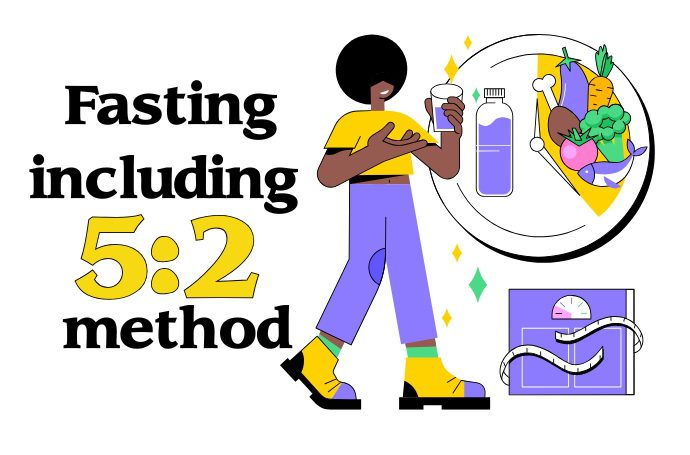
Thanks to intermittent fasting has many great things in that it is easy, simple, and flexible; it may lead to a decreased calorie intake through meal frequency reduction; it has also been proven to have a positive effect on metabolic health, increase insulin sensitivity, and encourage the process of cellular repair and maintenance – autophagy.
When considering intermittent fasting, the key is to select an approach that suits your routine and meets your specific needs. When you eat, ensure your meals are based on nutrient-dense, whole foods to help you obtain key nutrients. For a typical day on the 16/8 method, breakfast may consist of Greek yoghurt with fresh berries and a sprinkling of nuts; lunch is grilled chicken with quinoa and salad; dinner is baked salmon with roasted vegetables; and a snack is hummus on a cucumber round, Nagiyev says.
How can one determine the ideal diet for one’s lifestyle?
Many well-balanced diets make it difficult to pick which one suits your lifestyle; these ideas will help you choose:
Think about your objectives for weight loss. Select a diet that suits your current health level and aligns with these objectives.
Consider what you typically enjoy eating and any dietary restrictions you may have. Select a diet rich in foods you want and will be able to follow over the long term.
Evaluate your daily calendar and how the diet fits it. Therefore, diets are either more or less fit based on the degree of meal planning and food preparation needed.
Consult a qualified dietitian or healthcare professional to receive personalized recommendations tailored to your specific health needs and goals.
Change your diet to something you’re not accustomed to. It may be challenging to follow at first. Make little modifications and ease into the new routine so your body can adjust to it, and thus, success will last.
The name of the game is consistency, and to discover something you can do long-term. If you choose a balanced diet that suits your tastes and lifestyle, you will experience rapid success and feel better.
Now is your time to start a healthy lifestyle through balanced meals and their transformative power to fill the body with the nutrients it needs. Weight reduction is pleasurable and permanent -when you know how. Change your attitude toward food and learn more about delicious snacks.


