

"Medical Disclaimer: This article is for informational and educational purposes only and does not constitute medical advice, diagnosis, or treatment. Always consult a qualified healthcare professional regarding any medical condition, symptoms, or treatment decisions. Never disregard professional medical advice or delay seeking it because of information you have read in this article."
“Affiliate Disclosure: Some of the links in this article may contain affiliate links. If you click on a link and make a purchase, we may earn a small commission at no extra cost to you. These commissions help support our website and allow us to continue creating helpful health and fitness content.”
Why people search for nutrition drinks near me
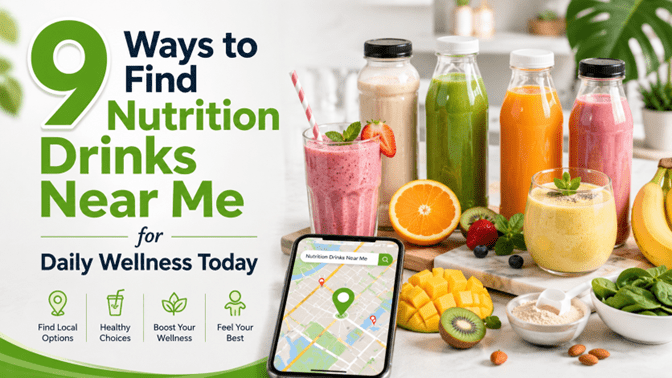
People usually search this phrase when they need something convenient but do not want to choose blindly. Maybe they are leaving the gym, caring for an older parent, recovering from a busy morning, trying to hit a protein goal, or looking for a meal replacement on the way to work. The local search is simple, but the decision behind it is personal: which drink actually supports your body, budget, taste, and schedule?
Nutrition drinks can mean several things. Some are protein shakes. Some are medical-style oral nutrition supplements. Some are meal replacements. Some are smoothies from juice bars, while others are electrolyte drinks, fortified milks, kefir, plant-based shakes, or powdered mixes. Because the category is broad, the healthiest choice depends on the job you want the drink to do. A post-workout protein shake is not the same as a high-calorie supplement for someone struggling to eat enough.
A smart way to compare nutrition drinks near me
When comparing local options, begin with the label instead of the marketing words. Look at serving size, calories, protein, fiber, total sugar, added sugar, saturated fat, sodium, vitamins, minerals, and allergens. The FDA Daily Value for added sugar is 50 grams per day on a 2,000 calorie diet, so a drink with a large sugar load may use up a big part of that budget quickly. A label does not tell the whole story, but it gives you a clean starting point.
Next, match the drink to your purpose. If you are replacing a meal, a 120-calorie drink with only protein may not be enough. A meal-style drink should usually offer calories, protein, some fat, carbohydrate, and micronutrients. If you are adding protein after exercise, you may not need a full meal replacement. If you need calories because appetite is low, a higher-calorie option may be helpful, but a clinician should guide medical needs.
Where to find nutrition drinks near me
Local choices often include supermarkets, pharmacies, health food stores, gyms, smoothie shops, hospital gift shops, warehouse clubs, and convenience stores. Pharmacies tend to carry oral nutrition supplements and diabetic-friendly formulas. Grocery stores usually have ready-to-drink shakes, protein milks, yogurt drinks, and plant-based options. Gyms may sell protein shakes or powders. Smoothie shops can be useful, but they vary widely in sugar and portion size.
For faster shopping, call ahead or check a store app. Search filters such as high protein, low sugar, dairy free, lactose free, gluten free, plant based, or meal replacement can save time. If you have allergies, do not rely on front-label claims alone. Read the ingredient list and allergen statement, especially when drinks contain milk, soy, tree nuts, peanuts, wheat, or shared-equipment warnings.
Reading labels on nutrition drinks near me
Protein is one of the first numbers people check, and for good reason. A nutrition drinks near me with 15 to 30 grams of protein may support fullness or recovery better than a sweet beverage with only a few grams. However, more protein is not always better. People with kidney disease or special medical conditions should ask a healthcare professional about appropriate intake. For most healthy adults, the goal is to fit protein into the whole day, not chase the highest number on the shelf.
Fiber is another helpful clue. Many drinks have little or none, which makes them less filling than a meal with whole foods. A drink with several grams of fiber may keep you satisfied longer, but too much added fiber can bother sensitive stomachs. Fat also matters. Some meal replacements include healthy fats for staying power, while lighter protein shakes may contain very little. The right balance depends on whether the drink is a snack, a meal, or a supplement.
Sugar checks for nutrition drinks near me
Many drinks that look healthy can be closer to dessert than a balanced option. Smoothies made with fruit, juice, frozen yogurt, sweetened milk, syrups, and toppings can carry large amounts of sugar. This does not mean fruit is bad. It means portion and preparation matter. A smoothie with whole fruit, protein, unsweetened yogurt, and no syrup is very different from a giant blended drink with juice concentrate and sweetened add-ins.
Look for the line that says added sugars. Naturally occurring sugar from milk or whole fruit is different from sugar added during processing, but both still contribute calories. If the drink is intended as a daily habit, lower added sugar is usually a better default. For an occasional treat, simply count it as a treat and enjoy it intentionally.
Best uses for nutrition drinks near me
A convenient drink can help when life is rushed. It can bridge the gap between breakfast and lunch, support recovery after a workout, help someone who has trouble chewing, or provide nutrition when cooking is not realistic. The strongest use case is convenience with purpose. The weakest use case is using drinks to replace balanced meals every day without understanding what might be missing.
Whole foods still bring benefits that drinks often lack: chewing satisfaction, varied textures, plant compounds, and a natural mix of fiber and micronutrients. That is why a drink can be helpful without becoming the foundation of the entire diet. Pairing a shake with fruit, nuts, whole-grain toast, or vegetables can make it feel more like a real meal.
Budget tips for nutrition drinks near me
Ready-to-drink bottles are convenient but can be expensive. Powdered mixes may cost less per serving and allow you to adjust the liquid, portion, and add-ins. Store brands sometimes match national brands nutritionally at a lower price. Warehouse clubs may help if you know you like the product. Before buying a case, try one bottle. Taste matters, and a drink you dislike is not a bargain.
Budget also includes waste. A shelf-stable bottle in a bag can prevent a skipped meal, but a huge tub of powder that sits untouched is wasted money. Start small, test tolerance, and choose flavors you can imagine drinking more than once. Vanilla, chocolate, coffee, strawberry, and unflavored options are versatile. Unflavored powders can go into oatmeal, yogurt, or smoothies without making everything taste like candy.
Choosing nutrition drinks near me for special diets
Dairy-free shoppers can look for pea, soy, rice, almond, oat, or blended plant proteins. Soy and pea are common higher-protein choices. Low-carb shoppers should compare total carbohydrate and added sugars. People with diabetes should look at carbohydrates, fiber, protein, and whether the drink fits their meal plan. Nurtition drinks near me – People with lactose intolerance may prefer lactose-free milk protein drinks or plant-based options.
Older adults, people with recent illness, and anyone losing weight unintentionally should be careful about casual advice. A high-calorie nutrition supplement may be useful in some situations, but unexplained appetite loss or weight loss deserves medical attention. Supplements are tools, not diagnoses. The safest article advice is to use labels well and involve a clinician when the stakes are higher than convenience.
Get 20% off in NuviaLab Immune supplements, its helps to boost your immune system.
Smoothie shop ordering guide
At smoothie shops, ask for unsweetened milk or yogurt, a protein source, whole fruit, and no added syrup. Be careful with juice bases, sweetened acai, frozen yogurt, sherbet, honey, agave, chocolate chips, granola, and large sizes. These ingredients can be delicious, but they move the drink toward dessert. A smaller size with protein and whole fruit is often a better everyday choice.
A good script is simple: small or medium size, no syrup, protein added, unsweetened base, and extra ice if desired. If you want greens, add spinach; it blends easily and does not overpower fruit. If you want more staying power, add nut butter or chia, but remember that these add calories. Calories are not bad; hidden calories are the issue.
Mistakes to avoid with nutrition drinks near me
The biggest mistake is assuming every bottle in the health aisle is automatically balanced. Some drinks are low in protein, high in sugar, or missing fiber. Another mistake is ignoring serving size. A bottle may contain more than one serving, or a smoothie shop cup may be much larger than a standard drink. A third mistake is buying based only on front-label claims such as natural, clean, light, or energizing.
Also avoid using nutrition drinks as a punishment or a crash-diet tool. Skipping meals and drinking too little can backfire, leaving people hungry, tired, and more likely to overeat later. A well-chosen drink should support your day, not make it smaller and more stressful. Use it as a bridge, backup, snack, or planned meal component.
Read about Chest and Back Workout Tips that helps to boost your confidence.
Final takeaway on nutrition drinks near me
The phrase points to a local search, but the real win is learning how to choose confidently once you arrive at the store, gym, pharmacy, or smoothie counter. Read the label, match the drink to the job, watch added sugar, and keep whole foods in the bigger picture. Convenience can support health when it is paired with clarity.
A practical way to use this guide is to read it once, then keep the main ideas in mind the next time you shop, cook, order, or compare labels. Nutrition decisions are rarely perfect, and they do not need to be. A steady pattern of reasonable portions, enough protein, satisfying fiber, hydration, and moderation usually matters more than one single meal or drink. That is why the best plan is simple enough to repeat on a busy day, flexible enough for family meals, and honest enough to include the foods and drinks people genuinely enjoy.
It also helps to treat numbers as tools rather than judgments. Calories, carbohydrates, fat, protein, sodium, and sugars tell part of the story, but hunger, taste, culture, budget, medical needs, and personal routine matter too. When readers can connect the numbers to real-life choices, they are more likely to make changes that last. The goal is not to remove pleasure from eating. The goal is to create clarity, so every choice feels intentional instead of confusing.
For website readers, a useful takeaway is to keep a small mental checklist: serving size first, protein and fiber next, then sodium, added sugar, and total calories. That order prevents the most common mistake, which is reacting to one number without seeing the whole meal. A food or drink can fit well in one context and fit poorly in another. The smartest option is the one that supports the rest of the day without making the person feel deprived.
A practical way to use this guide is to read it once, then keep the main ideas in mind the next time you shop, cook, order, or compare labels. Nutrition decisions are rarely perfect, and they do not need to be. A steady pattern of reasonable portions, enough protein, satisfying fiber, hydration, and moderation usually matters more than one single meal or drink. That is why the best plan is simple enough to repeat on a busy day, flexible enough for family meals, and honest enough to include the foods and drinks people genuinely enjoy.
It also helps to treat numbers as tools rather than judgments. Calories, carbohydrates, fat, protein, sodium, and sugars tell part of the story, but hunger, taste, culture, budget, medical needs, and personal routine matter too. When readers can connect the numbers to real-life choices, they are more likely to make changes that last. The goal is not to remove pleasure from eating. The goal is to create clarity, so every choice feels intentional instead of confusing.
FAQs
Are protein drinks healthy?
They can be, depending on the label and the rest of the diet. Are meal replacement shakes enough for breakfast? Some are, especially if they contain calories, protein, fat, carbohydrate, and micronutrients, but many are better paired with fruit or whole grains.
Are smoothies always healthy?
Not always. Ingredients and size decide the answer.
What should shoppers choose first?
Choose the drink that matches the goal. For fullness, look at protein and fiber. For low sugar, check added sugars. For medical nutrition, speak with a clinician. For taste, buy one serving before buying a multipack. The best drink is one that works in real life, not just on paper.

